First responders—such as firefighters, police officers, EMTs, and rescue teams—play a critical role in maintaining public safety and responding to emergencies. The custom patch business has grown to support modern first responder branding by helping departments communicate their identity, values, and pride through meaningful visual symbols.
Strengthening Identity and Recognition
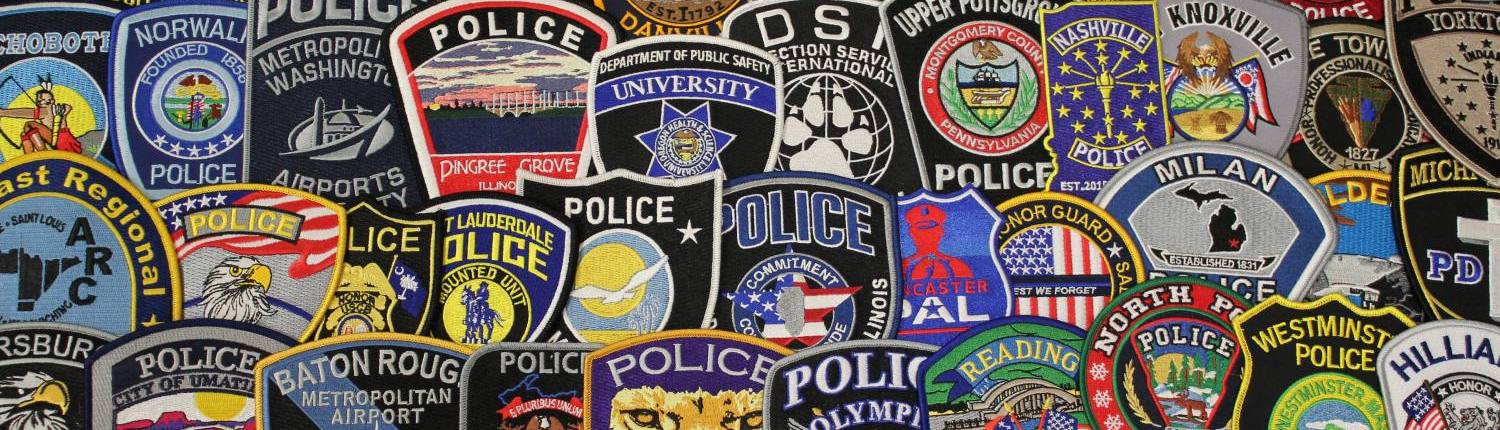
Custom patches serve as powerful identifiers for first responder organizations. Whether displayed on uniforms, tactical gear, or commemorative apparel, patches help instantly distinguish departments, units, and roles. In large emergency situations where multiple agencies may be present, clear visual identifiers help improve coordination and communication.
Beyond operational purposes, patches also reinforce departmental identity. A well-designed patch can incorporate elements such as local landmarks, symbolic imagery, or departmental mottos that reflect the culture and heritage of a team. When first responders wear distinctive patches, they are not only representing their unit but also reinforcing a recognizable brand within their community.
Building Trust Through Professional Design
Professional design plays a major role in how an organization is perceived. For first responder agencies, patches are often one of the most visible components of their public image. Clean, well-crafted designs communicate professionalism, discipline, and credibility.
Research supports the importance of visual branding. According to Non Profit Pro, 64% of people believe using a professional logo design helps to build brand trust and engagement. When uniforms, vehicles, and gear display consistent and professionally designed patches, it reinforces the perception that the organization is organized, reliable, and prepared.
Custom patch businesses work closely with departments to ensure that their patches reflect these qualities through strong design, durable materials, and high-quality production.
Supporting Morale and Community Engagement
Custom patches also contribute significantly to team morale and community engagement. Within departments, patches can mark special units, achievements, anniversaries, or memorials. These designs often become symbols of pride that first responders value deeply throughout their careers.
In addition, many departments create limited-edition or commemorative patches that are shared with partner agencies or sold to supporters. This practice has become a meaningful way to build relationships with the community while raising funds for charitable causes or departmental programs.
The custom patch industry has adapted to support these initiatives by offering flexible production options, creative design services, and durable materials suited for demanding environments.
Through thoughtful design and quality production, the custom patch business plays an important role in helping modern first responder organizations represent who they are and the communities they protect.
Work with The Emblem Authority to design custom patches that showcase the pride, professionalism, and identity of your department. As a custom patch business, we help first responder teams create durable, meaningful patches that represent their mission and community.
https://www.theemblemauthority.com/wp-content/uploads/2026/03/iStock-1265808988.jpg8381252integritivehttps://www.theemblemauthority.com/wp-content/uploads/2017/04/Emblem-Authority-Custom-Patches-for-Police-Sherrif-Public-Service-540.pngintegritive2026-03-09 11:42:292026-03-09 11:42:29How the Custom Patch Business Supports Modern First Responder Branding
For police departments, fire agencies, and EMS teams, a patch is far more than decoration. It represents mission, service, and the shared commitment of every member who wears it. Whether displayed on daily duty uniforms, dress attire, or specialized units, well-designed custom patches communicate professionalism and unity at a glance. Creating a design that accurately reflects your agency’s identity requires careful planning and attention to detail.
Defining Your Agency’s Core Identity
Before sketching concepts or selecting colors, define what your patch should represent. Consider:
Your agency’s history and founding year
Core values such as service, integrity, or courage
Geographic identifiers like city skylines, state outlines, or regional landmarks
Unit distinctions for patrol, SWAT, fire rescue, or EMS divisions
A strong design tells a clear story. Incorporating meaningful symbols—badges, shields, Maltese crosses, stars of life, or department mottos—helps reinforce your agency’s purpose while maintaining a professional appearance.
Simplifying Your Design for Clarity and Recognition
Clarity is critical, especially when patches must be identifiable from a distance. According to True List, it is advisable to stick to two colors when designing a logo or emblem. Limiting your palette improves visibility and prevents visual clutter. For law enforcement and fire departments in particular, classic combinations like navy and gold, red and black, or silver and blue project authority and tradition without overwhelming the design.
When planning your layout:
Avoid overcrowding the patch with too many elements
Use clear, legible fonts for department names or unit titles
Ensure icons and lettering scale properly for embroidery
Professional embroidery translates fine details differently than digital designs, so simplicity often produces stronger results.
Selecting the Right Shape and Structure
Shape affects both aesthetics and functionality. Shields and circular designs remain popular across police, fire, and EMS because they naturally frame text and symbols in a balanced way. However, specialized units may benefit from unique shapes that reflect their operational role.
Consider how the patch will sit on the uniform sleeve, chest, or outerwear. The proportions should complement the uniform rather than overpower it. When crafted thoughtfully, custom patches reinforce a cohesive, polished appearance across the entire department.
A well-designed patch becomes a lasting symbol of commitment, unity, and pride—worn every day by those who serve their communities. Partner with The Emblem Authority to create a design that accurately represents your agency’s character, values, and professionalism with precision-crafted embroidery built to stand the test of duty.
https://www.theemblemauthority.com/wp-content/uploads/2026/02/iStock-1197902953.jpg1080972integritivehttps://www.theemblemauthority.com/wp-content/uploads/2017/04/Emblem-Authority-Custom-Patches-for-Police-Sherrif-Public-Service-540.pngintegritive2026-02-25 10:34:172026-02-25 10:34:17Designing Agency Patches That Reflect Identity and Service
The partnership between law enforcement professionals and their K-9 counterparts is built on trust, training, and shared responsibility. K-9 units support critical operations such as narcotics detection, search and rescue, and patrol assistance, often in high-risk environments. Recognizing these canine officers with custom badges is a meaningful way to honor their service and reinforce the strength of the human-canine team.
The Legacy Behind Law Enforcement Badges
Badges have long symbolized authority, accountability, and public service within law enforcement. According to the Washington, DC Police Memorial and Museum, it is thought that the police badge originated in London, England in 1845. Over time, the badge has become a trusted identifier that reflects duty and professionalism.
Extending this tradition to K-9 units acknowledges their essential role in modern policing. A thoughtfully designed emblem badge for a canine officer connects today’s K-9 teams to the long-standing heritage of law enforcement, reinforcing that these dogs serve as trained professionals alongside their handlers.
Why Custom Badges Matter for K-9 Units
K-9 units function as highly coordinated teams where communication and discipline are critical. Custom badges provide visible recognition of a canine’s role, specialty, and unit affiliation, helping formalize that partnership. Departments can personalize badges with details such as the K-9’s name, unit designation, or operational focus, including tracking or explosives detection. These design elements reinforce professionalism while strengthening pride within the unit.
Reinforcing Team Identity and Department Pride
A strong visual identity supports unity and credibility across a department. When K-9 units wear a custom emblem badge that aligns with department standards, it reinforces consistency and pride across the force. These badges are often used during ceremonies, community events, and retirement recognitions, serving as lasting symbols of service.
Building Public Awareness and Community Trust
Clear identification supports transparency during public interactions. Custom badges help community members quickly recognize K-9 units as official members of the department, reinforcing trust and professionalism. This visibility also highlights the training and care behind effective K-9 programs, fostering greater public appreciation.
Custom badges for K-9 units represent more than identification—they reflect partnership, dedication, and service. These symbols strengthen the bond between handler and canine while signaling professionalism and credibility to the public. To properly recognize your K-9 unit with durable, professional custom badges and patches, contact The Emblem Authority to create high-quality designs that honor service, reinforce department pride, and stand up to the demands of active duty.
https://www.theemblemauthority.com/wp-content/uploads/2026/02/iStock-155097883.jpg8361254integritivehttps://www.theemblemauthority.com/wp-content/uploads/2017/04/Emblem-Authority-Custom-Patches-for-Police-Sherrif-Public-Service-540.pngintegritive2026-02-11 10:02:552026-02-11 10:03:07Custom Badges for K-9 Units: Celebrating the Human-Canine Bond



How the Custom Patch Business Supports Modern First Responder Branding
Custom PatchesFirst responders—such as firefighters, police officers, EMTs, and rescue teams—play a critical role in maintaining public safety and responding to emergencies. The custom patch business has grown to support modern first responder branding by helping departments communicate their identity, values, and pride through meaningful visual symbols.
Strengthening Identity and Recognition
Custom patches serve as powerful identifiers for first responder organizations. Whether displayed on uniforms, tactical gear, or commemorative apparel, patches help instantly distinguish departments, units, and roles. In large emergency situations where multiple agencies may be present, clear visual identifiers help improve coordination and communication.
Beyond operational purposes, patches also reinforce departmental identity. A well-designed patch can incorporate elements such as local landmarks, symbolic imagery, or departmental mottos that reflect the culture and heritage of a team. When first responders wear distinctive patches, they are not only representing their unit but also reinforcing a recognizable brand within their community.
Building Trust Through Professional Design
Professional design plays a major role in how an organization is perceived. For first responder agencies, patches are often one of the most visible components of their public image. Clean, well-crafted designs communicate professionalism, discipline, and credibility.
Research supports the importance of visual branding. According to Non Profit Pro, 64% of people believe using a professional logo design helps to build brand trust and engagement. When uniforms, vehicles, and gear display consistent and professionally designed patches, it reinforces the perception that the organization is organized, reliable, and prepared.
Custom patch businesses work closely with departments to ensure that their patches reflect these qualities through strong design, durable materials, and high-quality production.
Supporting Morale and Community Engagement
Custom patches also contribute significantly to team morale and community engagement. Within departments, patches can mark special units, achievements, anniversaries, or memorials. These designs often become symbols of pride that first responders value deeply throughout their careers.
In addition, many departments create limited-edition or commemorative patches that are shared with partner agencies or sold to supporters. This practice has become a meaningful way to build relationships with the community while raising funds for charitable causes or departmental programs.
The custom patch industry has adapted to support these initiatives by offering flexible production options, creative design services, and durable materials suited for demanding environments.
Through thoughtful design and quality production, the custom patch business plays an important role in helping modern first responder organizations represent who they are and the communities they protect.
Work with The Emblem Authority to design custom patches that showcase the pride, professionalism, and identity of your department. As a custom patch business, we help first responder teams create durable, meaningful patches that represent their mission and community.
Designing Agency Patches That Reflect Identity and Service
Badge DesignFor police departments, fire agencies, and EMS teams, a patch is far more than decoration. It represents mission, service, and the shared commitment of every member who wears it. Whether displayed on daily duty uniforms, dress attire, or specialized units, well-designed custom patches communicate professionalism and unity at a glance. Creating a design that accurately reflects your agency’s identity requires careful planning and attention to detail.
Defining Your Agency’s Core Identity
Before sketching concepts or selecting colors, define what your patch should represent. Consider:
A strong design tells a clear story. Incorporating meaningful symbols—badges, shields, Maltese crosses, stars of life, or department mottos—helps reinforce your agency’s purpose while maintaining a professional appearance.
Simplifying Your Design for Clarity and Recognition
Clarity is critical, especially when patches must be identifiable from a distance. According to True List, it is advisable to stick to two colors when designing a logo or emblem. Limiting your palette improves visibility and prevents visual clutter. For law enforcement and fire departments in particular, classic combinations like navy and gold, red and black, or silver and blue project authority and tradition without overwhelming the design.
When planning your layout:
Professional embroidery translates fine details differently than digital designs, so simplicity often produces stronger results.
Selecting the Right Shape and Structure
Shape affects both aesthetics and functionality. Shields and circular designs remain popular across police, fire, and EMS because they naturally frame text and symbols in a balanced way. However, specialized units may benefit from unique shapes that reflect their operational role.
Consider how the patch will sit on the uniform sleeve, chest, or outerwear. The proportions should complement the uniform rather than overpower it. When crafted thoughtfully, custom patches reinforce a cohesive, polished appearance across the entire department.
A well-designed patch becomes a lasting symbol of commitment, unity, and pride—worn every day by those who serve their communities. Partner with The Emblem Authority to create a design that accurately represents your agency’s character, values, and professionalism with precision-crafted embroidery built to stand the test of duty.
Custom Badges for K-9 Units: Celebrating the Human-Canine Bond
Custom BadgesThe partnership between law enforcement professionals and their K-9 counterparts is built on trust, training, and shared responsibility. K-9 units support critical operations such as narcotics detection, search and rescue, and patrol assistance, often in high-risk environments. Recognizing these canine officers with custom badges is a meaningful way to honor their service and reinforce the strength of the human-canine team.
The Legacy Behind Law Enforcement Badges
Badges have long symbolized authority, accountability, and public service within law enforcement. According to the Washington, DC Police Memorial and Museum, it is thought that the police badge originated in London, England in 1845. Over time, the badge has become a trusted identifier that reflects duty and professionalism.
Extending this tradition to K-9 units acknowledges their essential role in modern policing. A thoughtfully designed emblem badge for a canine officer connects today’s K-9 teams to the long-standing heritage of law enforcement, reinforcing that these dogs serve as trained professionals alongside their handlers.
Why Custom Badges Matter for K-9 Units
K-9 units function as highly coordinated teams where communication and discipline are critical. Custom badges provide visible recognition of a canine’s role, specialty, and unit affiliation, helping formalize that partnership. Departments can personalize badges with details such as the K-9’s name, unit designation, or operational focus, including tracking or explosives detection. These design elements reinforce professionalism while strengthening pride within the unit.
Reinforcing Team Identity and Department Pride
A strong visual identity supports unity and credibility across a department. When K-9 units wear a custom emblem badge that aligns with department standards, it reinforces consistency and pride across the force. These badges are often used during ceremonies, community events, and retirement recognitions, serving as lasting symbols of service.
Building Public Awareness and Community Trust
Clear identification supports transparency during public interactions. Custom badges help community members quickly recognize K-9 units as official members of the department, reinforcing trust and professionalism. This visibility also highlights the training and care behind effective K-9 programs, fostering greater public appreciation.
Custom badges for K-9 units represent more than identification—they reflect partnership, dedication, and service. These symbols strengthen the bond between handler and canine while signaling professionalism and credibility to the public. To properly recognize your K-9 unit with durable, professional custom badges and patches, contact The Emblem Authority to create high-quality designs that honor service, reinforce department pride, and stand up to the demands of active duty.